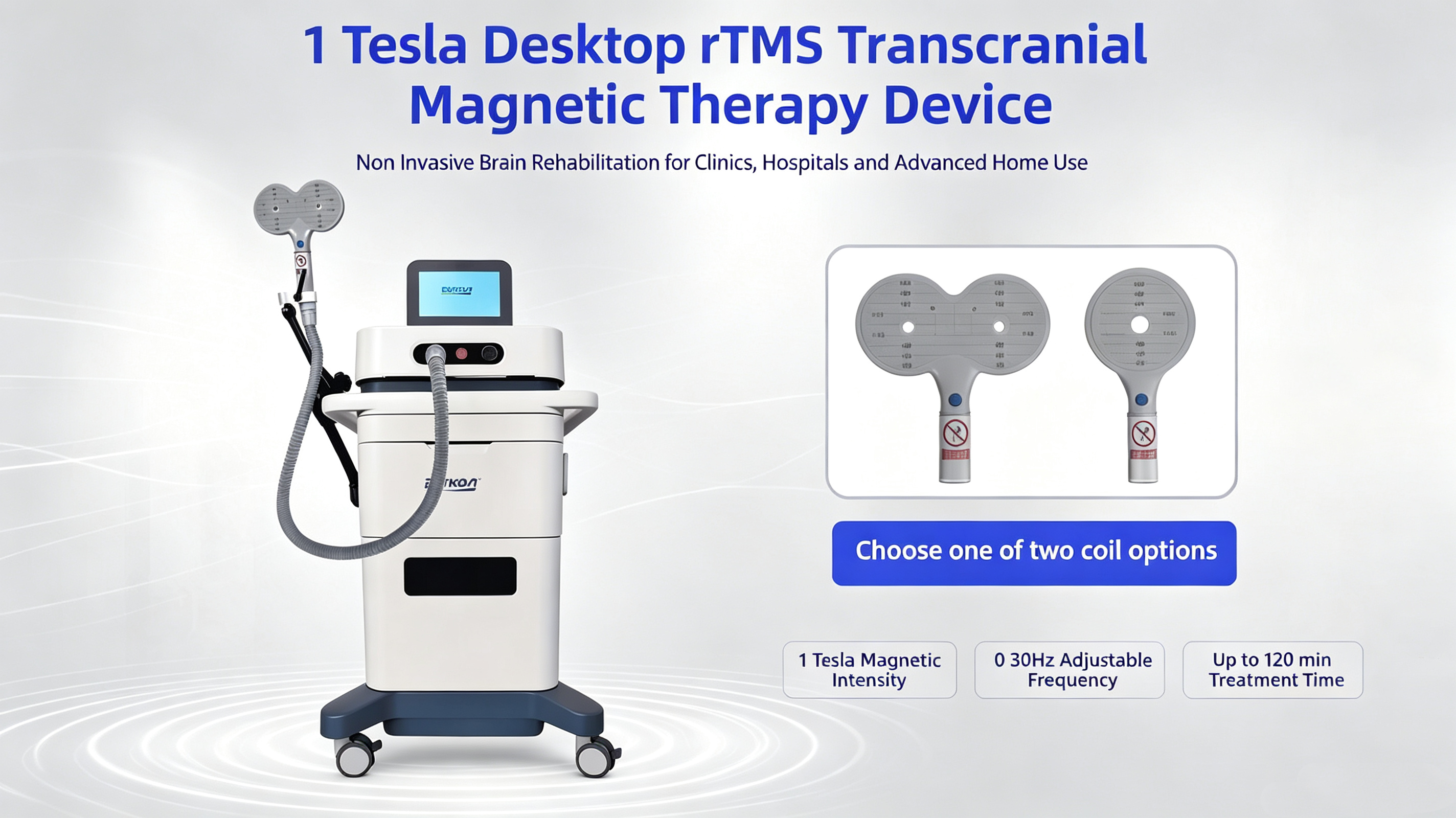
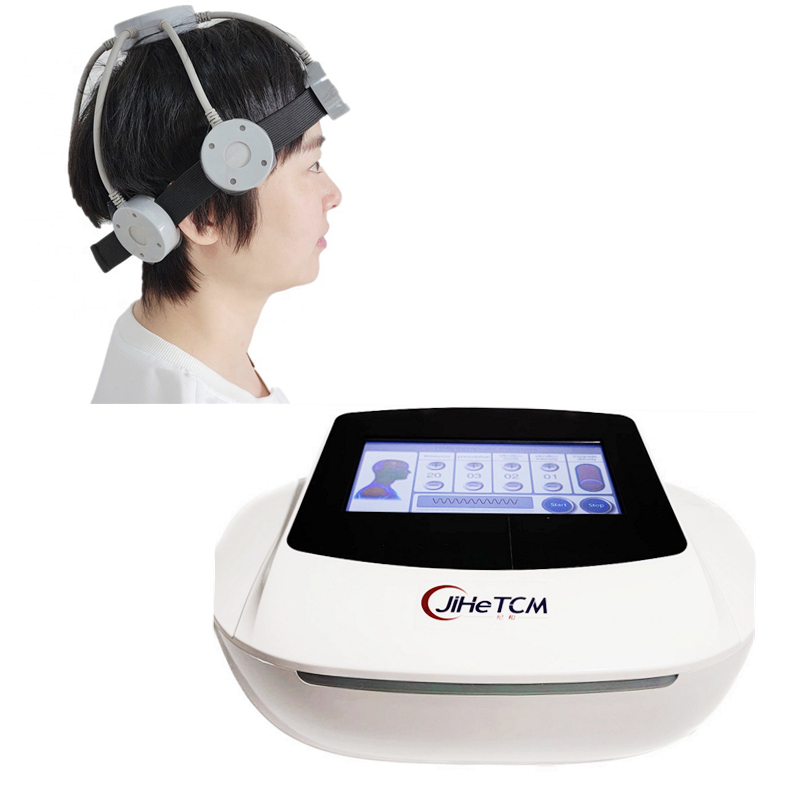
Repetitive transcranial magnetic stimulation (rTMS) is a non-invasive neuromodulation technique approved for the management of major depressive disorder (MDD), especially for patients with treatment-resistant depression who have inadequate responses or poor tolerance to antidepressant medications. A large body of randomized controlled trials and meta-analyses have demonstrated that high-frequency rTMS applied over the left dorsolateral prefrontal cortex can effectively modulate abnormal cortical excitability and reduce depressive symptom severity, measured by standard rating scales such as the Hamilton Depression Rating Scale (HAMD) and Montgomery–Åsberg Depression Rating Scale (MADRS). In treatment-resistant populations, the pooled clinical response rate is approximately 40%–50%, while the remission rate reaches 25%–30%. Compared with sham stimulation, active rTMS produces statistically significant antidepressant effects. The safety profile is favorable; adverse events are generally mild and transient, including scalp pain, local discomfort and headache, and serious adverse reactions are rare. rTMS can be used as monotherapy or combined with antidepressants in clinical practice. Nevertheless, individual treatment response varies, and long-term maintenance strategies are still under investigation. It has become an important alternative and adjunctive therapy for refractory major depression.
Reference: McClintock SM, Reti IM. Consensus Recommendations for the Clinical Application of Repetitive Transcranial Magnetic Stimulation (rTMS) in the Treatment of Depression. Journal of Clinical Psychiatry. 2018;79(2):17cs11875. PMC5846193.